
Dental practices in the Illawarra and New South Wales
Patient Communication and Retention for Practices in the Illawarra
See how many overdue and unbooked patients are sitting in your list.
Dental practices in the Illawarra and New South Wales
See how many overdue and unbooked patients are sitting in your list.
The patients you already have are the easiest to keep, and the most expensive to lose. Recalls slip, short-notice cancellations leave empty chairs, and diagnosed treatment sits unbooked because nobody had time to ring the patient back. Our patient communication and retention service makes sure recalls, confirmations, cancellations and treatment plans are followed through consistently, every week, using wording and lists your team approves. We work alongside your existing team and practice software, so follow-up happens in your practice's name and patients hear from the practice they know. This page covers what we follow up, how often, and how your team stays in control of every message.
We confirm appointments in the days before and offer a new time instead of a no-show. A short-notice cancellation is offered straight to your waitlist by text, email and then phone, until the chair is filled. Overdue recall patients are brought back from a list you approve, and treatment plans that have not been booked are followed up in your practice's own words until the patient books or says no.
You set the wording and the rules once, at setup. After that, the follow-up simply happens.
What you get:
Further reading: Ahpra advertising guidance and Australian Privacy Principles (OAIC).

Here is what Patient Communication & Retention covers, set up around the way your practice already works.
Every appointment is confirmed ahead of time. If a patient cannot make it, they are offered another time straight away, so the slot can be given to someone else rather than sitting empty.
When a gap opens at short notice, it is offered to patients on your waitlist and to patients who asked for an earlier time, in the order your team sets. The aim is simple: the chair is filled before the gap reaches the day sheet.
We work through your overdue recall list steadily, a few patients at a time, so it does not become a once-a-year blitz. Patients who say not now are noted and contacted again when your rules say so, not chased.
Diagnosed treatment that has not been booked is followed up in your practice's own words until the patient books or says no. Clinical questions always go back to the treating dentist.
On the Patient Journey Audit we look at your confirmation process, your cancellation list, the size of your overdue recall list and how much diagnosed treatment is waiting to be booked. That tells us where follow-up will make the biggest difference first, and your team approves the order we work in.
Follow-up messages are written to suit health advertising guidance, with no pressure wording, and every message type is approved by your team at setup. Your team can pause a patient, change the wording or stop a campaign at any time.
Follow-up works best when it happens every week, not in bursts when someone finds a spare afternoon. A steady rhythm of confirmations, refills and recalls keeps the book fuller, and patients get used to hearing from the practice at the right times.
Nobody is replaced. Your team keeps the conversations that need a person, and stays in charge of every decision.
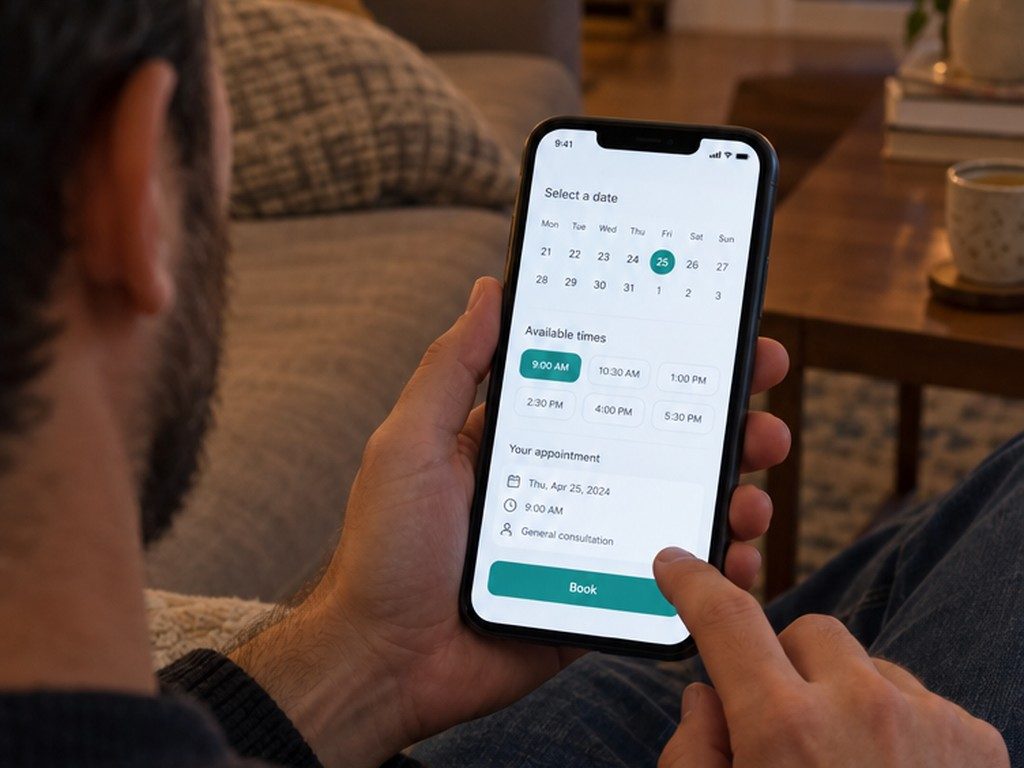
See how many overdue and unbooked patients are sitting in your list.
Free — no obligations
We start with a free 20-minute Patient Journey Audit on Zoom and look at your own numbers together.
Your appointment types, clinicians, hours, wording and rules are set once, with your team.
Everything is connected to the systems you already use and tested by your team before it goes live.
Once live, the work runs every day and you get a clear weekly view of what changed.

Straight away. Your waitlist receives an SMS and an email, followed by a call, until the spot is filled.
No. Follow-up uses your practice's own tone and timing, and stops as soon as a patient books or tells us they are not interested.
Yes. Many practices start by working through the current recall backlog, then move to steady weekly follow-up.