
Your Outsourced Practice Operations Partner
Practice Operations Management for Dental Practices in New South Wales
People. Processes. Technology. Outsourced front-office and back-office support, alongside the team you already have.
Your Outsourced Practice Operations Partner
People. Processes. Technology. Outsourced front-office and back-office support, alongside the team you already have.
Dental Krew provides outsourced front-office and back-office support for dental practices. We help you manage patient enquiries, appointments, follow-ups and daily administration without the overhead of expanding your in-house team. The result is less administrative pressure on your people, faster responses for your patients, and a practice that runs smoothly from the first phone call of the day to the last invoice at night.
We are not a call centre and we are not a stand-in for your receptionist. We take responsibility for a business function: the calls, bookings, confirmations, recalls, treatment follow-up and admin that sit around the chair. We work alongside your existing team and the systems you already use, so every call, enquiry, cancellation and follow-up is either handled, or starts being actioned, in about 60 seconds. Your team stays at the counter with the patients in front of them, and stays in charge.
How we start:
Dental Krew is an outsourced practice operations partner for dental practices. We look after the work around the chair, so practice teams can look after patients.
We see dental practices as some of the hardest-working small businesses in the country. The clinical work gets the attention, but the practice only thrives when the phones are answered, the book is full and the follow-up actually happens. Too often that work lands on a small reception team who are already busy with the patients in front of them.
More about us
Practice Operations Management is our core service: outsourced front-office and back-office support for dental practices. Everything else sits underneath it, and we build your support around the way your practice already works.
Enquiries, bookings, reschedules and new patient intake, handled in your practice's name.
Learn more →Every call answered day and night, booked, and handed to your team whenever a person is needed.
Learn more →Your systems connected, the daily workflow written down and routine work taken off your team.
Learn more →Confirmations, cancellations refilled, overdue recalls and treatment plans followed through.
Learn more →Lab cases, claims, notes, balances, payment plans and reconciliation kept up to date.
Learn more →Missed calls, unbooked enquiries and appointment gaps tracked, with a plain weekly report.
Learn more →We support dental practices across the Illawarra and the Shoalhaven, from the growing estates of Shell Cove and West Dapto to the established suburbs around Lake Illawarra, the busy centre of Wollongong, the northern village of Thirroul, the diverse community of Warrawong, the coastal town of Kiama and the regional hub of Nowra. Each community books, cancels and responds to follow-up a little differently, so we set up every practice's support around the patients it actually sees. New estates bring families enquiring in the evening. Older suburbs carry long overdue recall lists. Commuter towns want to book by text, shift workers call at odd hours, and regional practices see patients travel a long way for each visit. Whatever the mix, the approach is the same: we work alongside your existing team and systems, answer and book every enquiry, keep the appointment book full and take the admin off your practice manager's plate. Choose your town below to see how we work with practices near you. If your practice is elsewhere in New South Wales, we can still help, because the Patient Journey Audit and the support itself run on Zoom and inside the software you already use.
See all service areas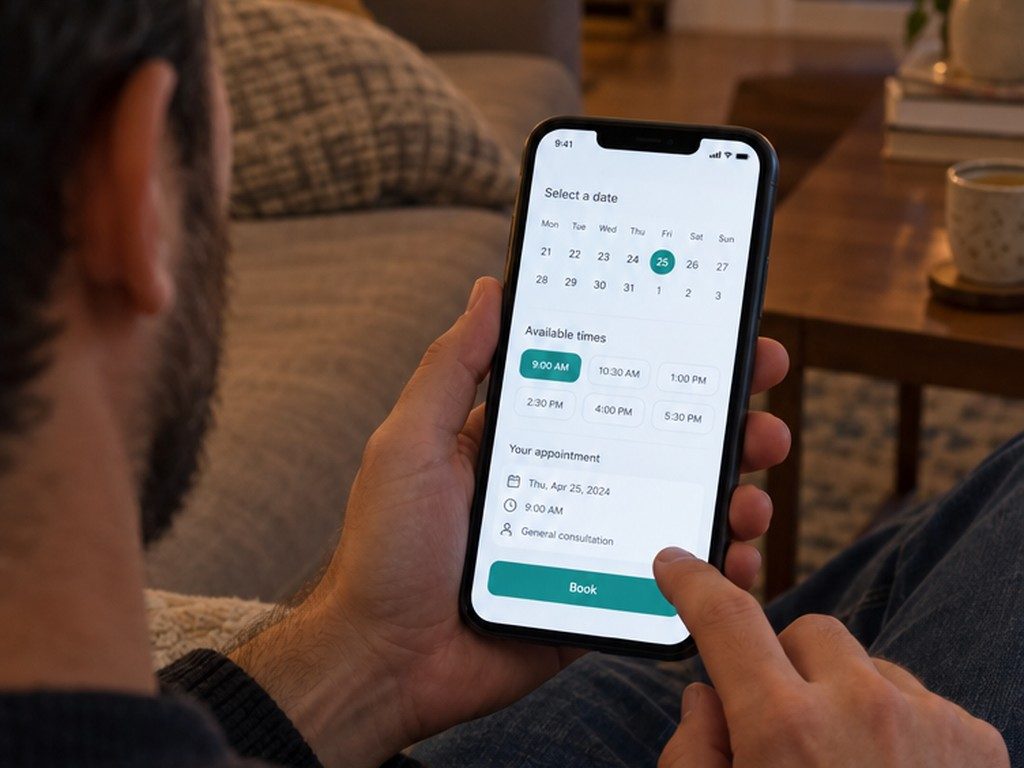
We measure our work by what changes in your appointment book: calls answered, gaps filled, overdue patients back in the chair and treatment plans followed through.
Nobody is replaced. Your people keep the conversations that need a person, and any patient who asks for reception is transferred straight through.
One team covers the patient-facing work and the admin behind the chair, so nothing falls between two providers.
Clinical questions always go to your team. We look after operations, never diagnosis or treatment advice.
Early mornings, lunchtimes, evenings and weekends are covered the same way, so patients reach your practice when it suits them rather than only during opening hours.
Recalls, waitlists, treatment plans, emergencies and health fund questions are part of everyday work for us, not something we learn on your time.
Practice operations management is the work that keeps a practice running around the clinical care. It is the phone ringing while a patient is checking in, the web enquiry that arrived at 9 pm, the confirmation texts for tomorrow, the gap that opened when someone cancelled at 8:15, the recall list that never quite gets worked, and the inbox that fills up between patients. None of it is clinical, but all of it decides how full your appointment book is and how calm your front desk feels.
In most practices this work is spread across a small reception team who are also greeting patients, taking payments and processing health fund claims. They do it well when the day is quiet. On a busy morning, something has to give, and it is usually the follow-up: the call that rolls to voicemail, the recall that waits until next week, the treatment plan nobody has time to chase.
An outsourced operations team takes responsibility for that layer of work. Instead of hiring hours of help, you hand over a business function with clear outcomes. Calls are answered and booked in your practice's name. Appointments are confirmed in the days before. Cancellations go to your waitlist straight away. Overdue patients are brought back from a list you approve. Unbooked treatment plans are followed up in your practice's own words. Behind the scenes, the back office keeps the admin, billing follow-up and reporting moving.
What it is not matters just as much. It is not a call centre reading from a generic script, and it is not a replacement for the people at your counter. Your team still welcomes patients, handles payments and claims at the desk, and makes every clinical call. Practice operations management simply makes sure the work around them gets done, consistently, every day.
The difference shows up in ordinary moments. A mother rings at lunchtime about her son's chipped tooth and is booked into the afternoon emergency slot before she hangs up. A patient who cancelled on Monday is offered Thursday on the same call. A practice manager walks in on Tuesday morning to a clear huddle sheet instead of a pile of voicemails. None of these moments is dramatic on its own. Together they decide whether the practice feels organised or always one step behind.

Most practice owners do not notice the problem as a single event. It shows up as small, repeated moments. Here are the signs we hear about most often from practice owners and practice managers.
The phones ring out during the morning rush. When two lines ring while a patient is checking in and another is paying, someone waits. Some callers leave a message. Many simply try the next practice that answers.
Short-notice cancellations turn into empty chair time. A gap that opens at 8:15 is easy to fill if someone works the waitlist straight away. If the team is busy until lunch, the chair stays empty.
The recall list keeps growing. Recalls are always important and rarely urgent, so they are the first job to be pushed to tomorrow. Over months, that becomes a long list of patients who have quietly drifted away.
Treatment that has been diagnosed is not being booked. A patient leaves with a plan, means to call, and does not. Without a consistent follow-up, a large share of that care never starts.
Your practice manager stays back to catch up. If the admin only gets done after hours, the practice is running on goodwill rather than a system.
You are about to advertise for another receptionist. That is often the clearest sign of all. Your existing team is stretched and you need more help. Before you add another person, it is worth looking at how much of that role is phones, follow-up and admin that an operations team could take on, alongside the people you already have.
Someone calls in sick and the front desk runs one person short all day. In a small team, one absence changes everything. If the phones, the counter and the follow-up all depend on who turns up that morning, the practice is more fragile than it looks.
None of these signs means your team is doing a poor job. They usually mean a capable team has more work than hours. It is a follow-through problem, not a people problem, and more marketing will not fix it either, because new enquiries land on the same stretched desk.
We deliver practice operations management through two connected parts: a Front Desk and a Back Office, both set up around your practice and both working alongside your existing team and systems.
The Front Desk looks after the patient-facing work. It answers calls, texts and web enquiries in your practice's name, day and night, and books patients straight into your appointment book. It confirms every appointment in the days before and offers a new time instead of a no-show. When someone cancels, your waitlist gets an SMS and an email, followed by a call, until someone fills the spot. It brings overdue recall patients back, and it follows up treatment plans that have not been booked, using the wording you have chosen, until the patient books or says no. If a patient would rather speak to your team, the call is transferred straight through to reception.
The Back Office handles the administration behind the chair. That includes the morning huddle sheet, inbox management, lab case tracking, draft notes for the dentist to check and sign, supplier invoices, stock reminders, payment reminders, review requests and reporting. The Back Office never has conversations with patients.
Speed is the point. With both parts running, every call, enquiry, cancellation and follow-up is either handled, or starts being actioned, in about 60 seconds. That is what stops an enquiry going cold and a gap staying empty.
Clinical judgement stays with your clinicians. Questions about symptoms, treatment options or urgent concerns are passed straight to your team. We set the rules with you at the start, including what should always go to a person, and your team signs off before anything goes live.
Nothing about your setup has to change for this to work. You keep your phone number, your practice software and your existing processes at the counter. You set the wording for confirmations, recalls and follow-ups once, at setup, and you can adjust it whenever you like. Each week you can see what was handled, what was booked and what was passed to your team, so you always know exactly what is happening in your practice's name.
We do not publish a fixed price list, because no two practices need the same level of support. Instead, we work out the right scope with you on the Patient Journey Audit, using your own numbers. These are the things that shape it.
Call and enquiry volume. A practice that takes a steady stream of calls all day needs different coverage from one with a sharp rush at opening and after lunch. After-hours and weekend enquiries also change the picture.
Number of chairs and clinicians. More dentists and hygienists mean more appointment types, more confirmations, more recalls and more opportunities for gaps.
The size of your recall and treatment backlog. If there is a long overdue list or a large amount of diagnosed but unbooked treatment, the first months of follow-up work look different from steady-state maintenance.
How much back-office work you want handed over. Some practices only want the front office covered. Others want admin, billing follow-up and reporting looked after as well.
Your practice software and phone system. How we connect depends on the system you use. It may be a direct connection, an approved partner connection or a daily export, and we confirm the right route for your practice before anything is agreed.
Number of locations. Groups with several sites often want the same process running at every location, with one view of how each site is tracking.
These factors are why we start with the Audit rather than a price list. You see exactly what support would cover in your practice, and what it would change, before you make any decision.
It also helps to think about cost in a different way. The useful question is not what support costs on its own, but what the current gaps are already costing you: empty chair hours from unfilled cancellations, new patients who booked elsewhere because nobody answered, and diagnosed treatment that never started. The Audit puts those gaps side by side with the scope of support, using your figures rather than an industry average.
Handing over part of your practice's operations is a real decision, so it is worth asking the right questions before you choose anyone.
Do they understand dental? General admin services do not know the difference between a check-up and clean and a new patient exam, how long each takes, or why a hygienist's book runs differently from a dentist's. Look for a team built around dental workflows: recalls, waitlists, treatment plans, health fund questions and emergencies.
Do they work alongside your team or around it? The right partner supports the people you already have. Ask how calls are transferred to reception, how your team stays in charge, and what happens when a patient wants a person.
Do they handle outcomes or just tasks? A list of tasks is easy to promise. Ask how they measure what changes in your appointment book: calls answered, gaps filled, recalls rebooked and treatment followed up.
Do they stay away from clinical decisions? Any partner talking to your patients must pass clinical questions to your clinicians, every time. Ask to see the rules.
How do they connect to your systems? Be wary of anyone who claims to connect to everything. A good partner tells you the exact route for your software and confirms it before you commit.
How is privacy handled? Ask where patient information is stored, whether it is ever used to train anything, and whether a privacy agreement is signed before any patient information is handled.
Can you see it before you decide? Ask for a walkthrough on your own numbers. That is exactly what our free 20-minute Patient Journey Audit is for.
Finally, ask what happens in the first month. A good partner will explain who sets up your appointment types and rules, how your team tests the workflow, and how changes are made once you are live. If the answer is vague, the experience usually is too.
It is also fair to ask how easy it is to change course. Your practice will grow, add clinicians or open new days, and your support should adjust with it without a long renegotiation.

Practices across the Illawarra serve a wide mix of communities in a fairly small stretch of coast. Within a short drive you have growing family estates in the south, long-established suburbs around Lake Illawarra, and a busy city centre in Wollongong with a university, a major hospital and thousands of people commuting each day. Each of those communities books, cancels and responds to follow-up in its own way, and a practice's operations need to suit the patients it actually sees.
Commuting shapes the day. Many patients work in Wollongong or travel north toward Sydney, so they call early before work, at lunchtime, or in the evening once they are home. Those are exactly the times a front desk is busiest or closed. Practices that answer and book at those moments win the patient. Practices that rely on a voicemail check the next morning often find the patient has already booked somewhere closer to work.
Families make up a large part of many patient lists, especially in the newer suburbs. Parents want school-holiday appointments, back-to-back bookings for several children and reminders that arrive in time to plan around sport and work. Older patients around the lake and in established suburbs often prefer a phone call to a text, and value being recognised by name.
Staffing is another local reality. Like practices in many regional centres, Illawarra practices can find experienced dental receptionists hard to replace when someone leaves or goes on leave. An operations team that already knows your rules means the practice keeps running smoothly through those changes, rather than losing momentum while a new person is trained.
We are based in the Illawarra and we understand these patterns first-hand. That local knowledge shapes how we set up your support, from the times we prioritise follow-up to the tone your patients will hear.
Seasonal rhythms matter too. Summer holidays bring visitors and families with time off, the end of the year brings patients rushing to use their health fund extras, and winter brings more sick days for staff and patients alike. A front office that flexes with those rhythms keeps the book steady all year instead of swinging between overbooked weeks and quiet ones.
Further south, the picture changes again. Kiama practices often run with a small team and a busy summer, and Nowra practices serve patients who travel in from across the Shoalhaven, including Defence families who arrive and leave with each posting. Closer to Port Kembla, Warrawong practices look after shift workers and families who speak many languages at home. We set up support to suit each of these communities, because the same process rarely fits them all.
Established dental practices in New South Wales, from the Illawarra to the Shoalhaven and beyond: practice owners, principal dentists and practice managers who want the front office and admin covered without another hire.
No. We take responsibility for a business function around the chair, set up in your practice's name and rules, and your team stays in charge of every decision.
Every call, enquiry, cancellation and follow-up is either handled, or starts being actioned, in about 60 seconds, day or night, including weekends.
A 20-minute Zoom call. We look at enquiries, confirmations, cancellations, recalls, unbooked treatment and front desk capacity in your own numbers, and show you where the gaps are.
In 20 minutes we will show you where enquiries, cancellations and follow-ups are slipping, and how an outsourced practice operations partner would cover them.
Free — no obligations